Plano doesn’t behave like most Texas cities when it comes to local search. With Toyota North America, Liberty Mutual, and a dense cluster of Fortune 500 regional offices anchoring its commercial identity, Plano competes at a tier that most suburban markets don’t. Businesses here, from independent service providers to mid-market professional firms, face a local search landscape shaped by sophisticated buyers, high-income demographics, and competitors who invest seriously in digital visibility.
Most local SEO checklists address generic suburban markets. They tell you to claim your Google Business Profile and collect a few reviews. Plano requires more precision than that. The ranking gap between businesses that execute local SEO correctly and those that execute it partially is measurable in lead volume, call frequency, and map pack visibility, not just position numbers. What follows covers the specific actions that consistently move the needle here, including several that most guides skip entirely.
The Ranking Checklist
☑ 1. Treat Your Google Business Profile as an Active Channel, Not a Setup Task
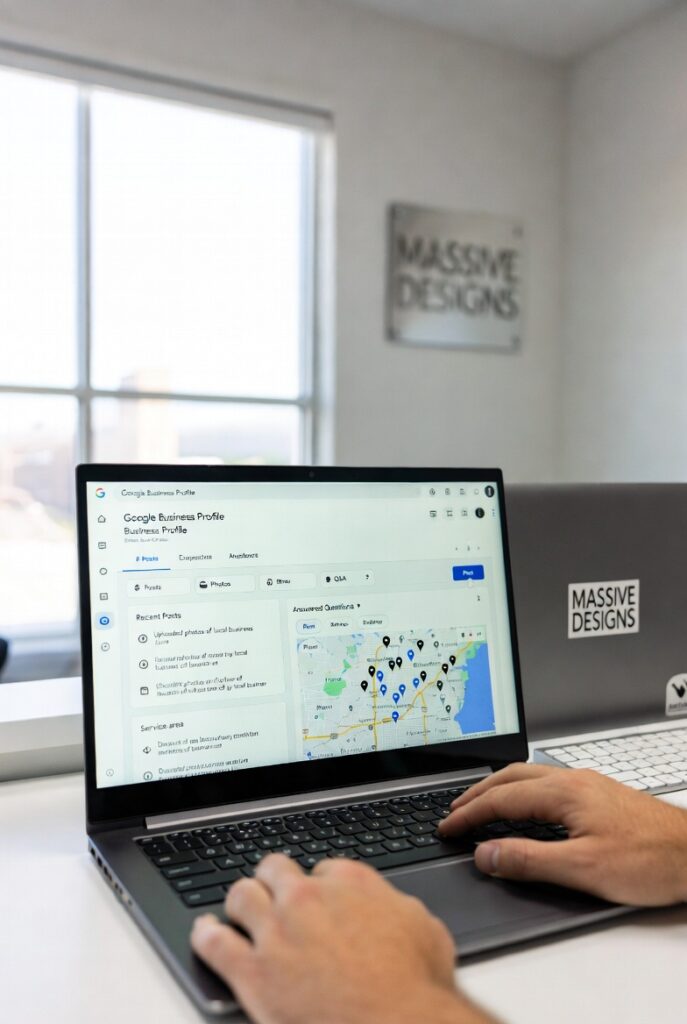
Most Plano businesses claim their GBP, fill in basic information, and stop engaging. That approach worked in 2021. In 2026, Google’s local ranking signals weigh ongoing profile activity heavily, post frequency, Q&A responsiveness, photo recency, and service attribute completeness all factor into how consistently your profile appears in competitive local pack results.
Additionally, service area configuration matters more than most guides acknowledge. Plano borders Allen, Richardson, and Frisco, all with their own competitive local searches. Businesses that configure service areas precisely signal stronger geographic relevance to Google than those that list vague coverage zones. Specificity here outperforms general claims every time.
☑ 2. Stop Targeting “Plano” as Your Only Geographic Modifier
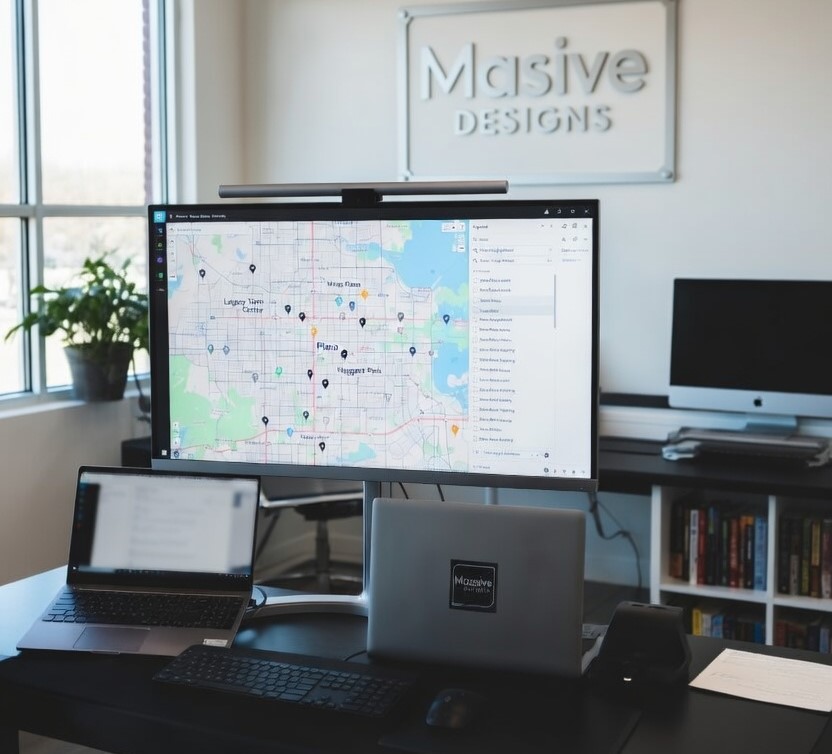
“Plano TX” as a standalone keyword is genuinely competitive. Law firms, HVAC companies, dentists, financial advisors, and contractors all target it aggressively. However, Plano breaks into distinct micro-markets that actual search behavior reflects more accurately than city-level keyword targeting does.
West Plano search patterns differ from East Plano in both intent and buyer profile. The Legacy Town Center corridor attracts different commercial queries than the Haggard Park or Willow Bend areas. Businesses that identify these neighborhood-level modifiers and build dedicated page content around them consistently outperform those targeting only the city-level term. Furthermore, hyper-local specificity reduces direct competition while improving relevance scoring for nearby searchers.
☑ 3. Clean Up NAP Inconsistency Before Building a Single New Citation
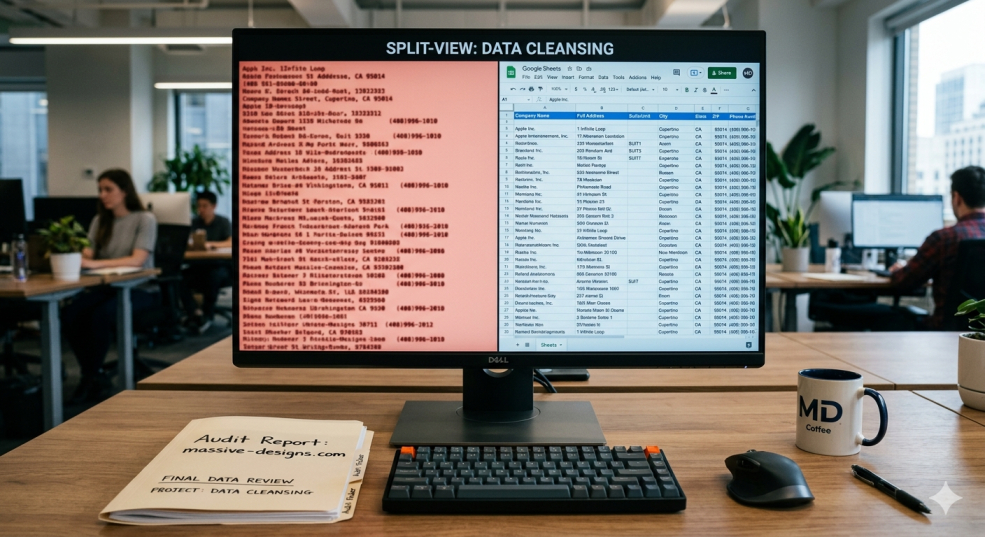
Name, address, and phone number inconsistency across online directories quietly erodes local SEO in Plano — and most businesses don’t realize it’s happening. The problem isn’t always a different phone number. It’s suite number variations, business name abbreviations, outdated zip codes, and address formatting differences across Google, Yelp, the Better Business Bureau, and industry-specific platforms.
Building new citations on top of inconsistent existing data compounds the problem rather than solving it. Therefore, run a full citation audit first using tools like BrightLocal or Moz Local to surface every active listing. Cleaning inconsistencies in existing data consistently delivers faster local ranking improvement than adding new listings built on a shaky foundation.
☑4. Build Citations in Plano-Specific and Collin County Directories
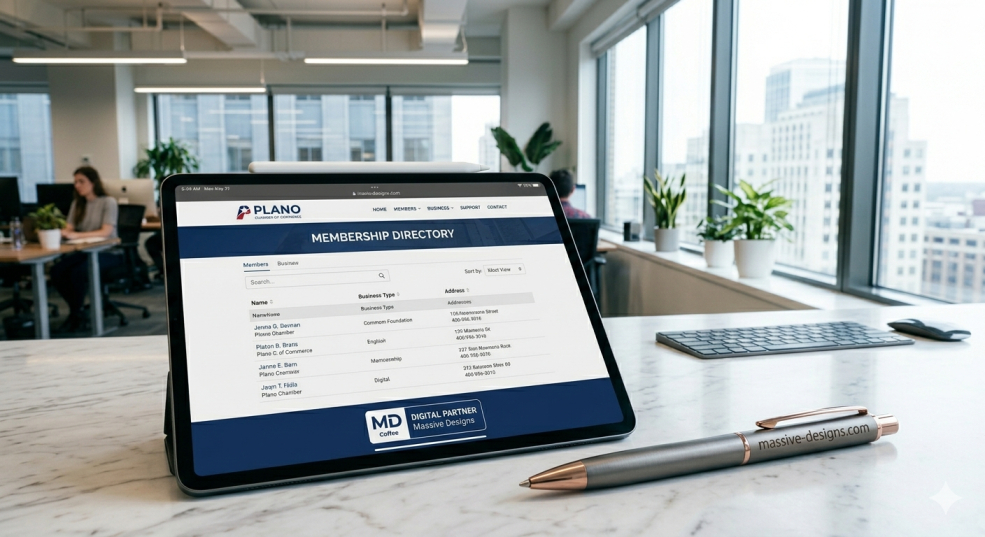
National directories like Yelp and Yellow Pages carry broad citation value. However, businesses that also appear in the Plano Chamber of Commerce directory, the Collin County business directory, and DFW-specific professional platforms earn geographic relevance signals that national platforms simply cannot replicate.
These hyper-local citations tell Google precisely where your business operates within a competitive regional market. Moreover, many direct Plano competitors skip this step entirely, prioritizing national directories and ignoring local ones, which makes Collin County-specific citation building a relatively low-effort way to create a genuine local signal advantage. The less saturated the directory, the more differentiation it produces.
☑ 5. Prioritize Core Web Vitals Before Adding Any More Content
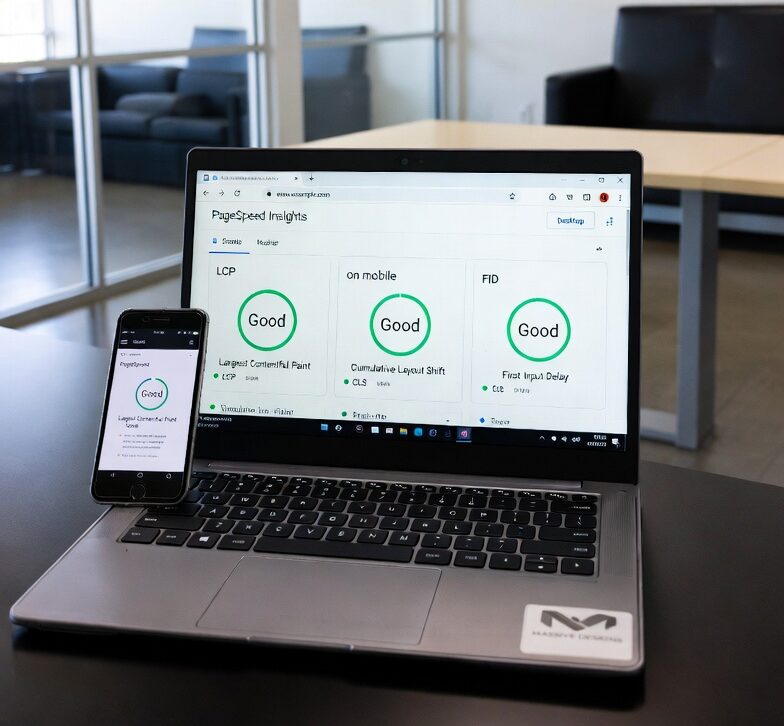
Plano’s demographic profile, high household income, heavy smartphone adoption, and concentrated commercial activity in the Legacy West and Uptown Park corridors produce mobile search behavior with notably low tolerance for slow-loading pages. Users here search with high transactional intent, and they exit slow sites quickly.
Core Web Vitals scores directly influence local ranking in 2026. Businesses with Largest Contentful Paint scores above 2.5 seconds lose ranking ground to faster competitors, regardless of how well-optimized their Google Business Profile is. Mobile page speed is a direct ranking variable, not an optional technical task to address later.
☑ 6. Implement LocalBusiness Schema on Every Key Service Page
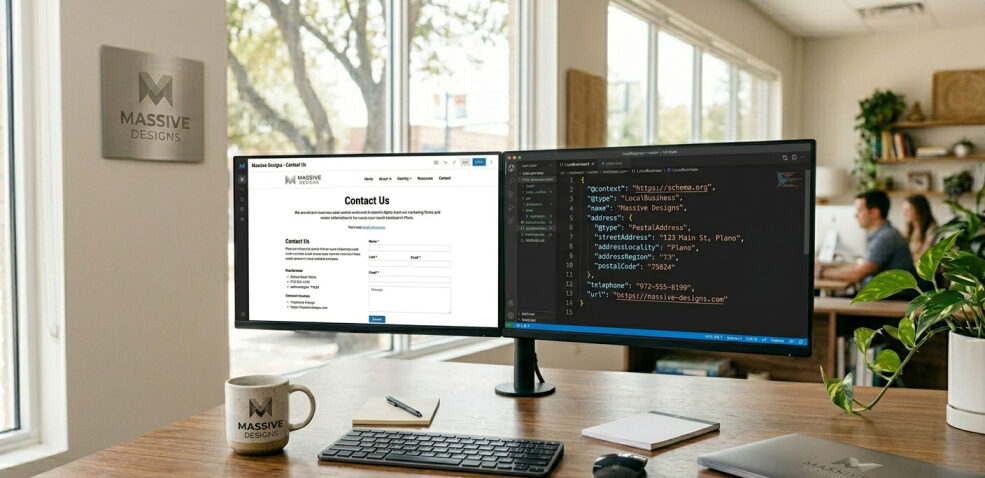
Schema markup gives Google explicit, machine-readable information about your business, such as what you do, where you operate, your hours, and what customers say about you without requiring Google to infer it from page copy. LocalBusiness, Service, and Review schema together create a confidence signal that generic, unstructured pages cannot match.
Structured data correlates with higher local pack visibility and increased eligibility for rich results. Notably, most Plano competitors either skip schema entirely or implement it incorrectly. Closing that gap improves local relevance scoring without requiring new content or additional backlinks. And it belongs near the top of any local SEO services engagement checklist.
☑7. Build Content Around Plano Landmarks, Neighborhoods, and Local Identity
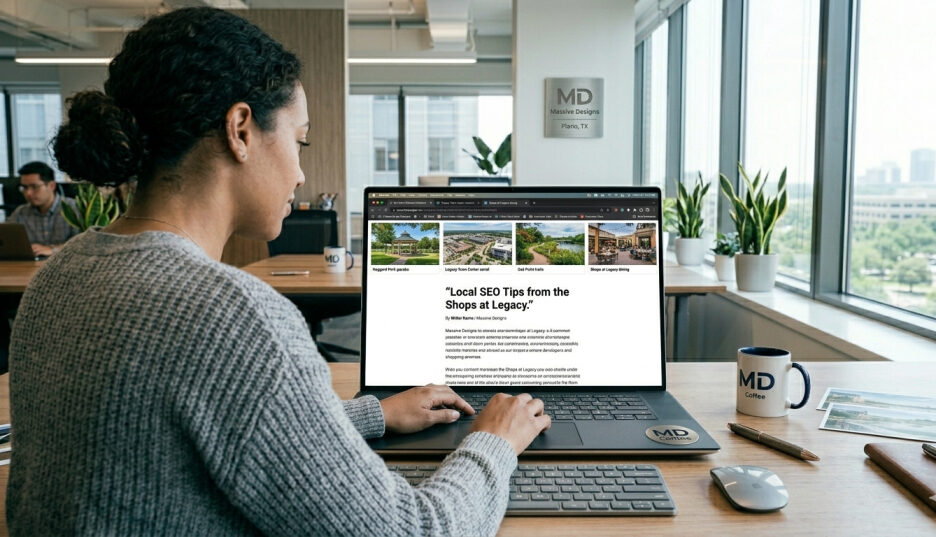
Generic service pages don’t earn geographic relevance. They merely include a city name in a heading. Content that references specific Plano landmarks, neighborhoods, and community anchors builds topical signals that search engines recognize as genuinely local rather than cosmetically local.
Plano offers meaningful reference points for this: Haggard Park, Oak Point Nature Preserve, the Legacy Town Center area, the Shops at Legacy, the Willow Bend corridor, and the city’s well-documented position as a Collin County economic hub. Content that incorporates these references contextually, not artificially, consistently builds stronger local relevance than content that simply repeats “Plano, TX” across paragraphs. A supporting content marketing strategy gives this kind of hyperlocal content production structure and consistency.
☑8. Build a Continuous Review Acquisition Process, Not a Reactive One

Most Plano businesses collect reviews reactively; they ask when they remember, or when a transaction goes particularly well. That inconsistency produces review velocity patterns that Google interprets as less trustworthy than steady, predictable acquisition. Periodic bursts of reviews followed by silence signal inauthenticity, even when every review is genuine.
A structured review acquisition process, triggered by transaction completion, service delivery confirmation, or customer milestone moments, generates continuous volume that builds both ranking strength and buyer trust over time. Additionally, responding to every review, including critical ones, signals active management that Google factors into local relevance scoring and that prospective customers assess before choosing.
☑9. Align On-Page Content with Actual Plano Buyer Intent, Not Just Keywords
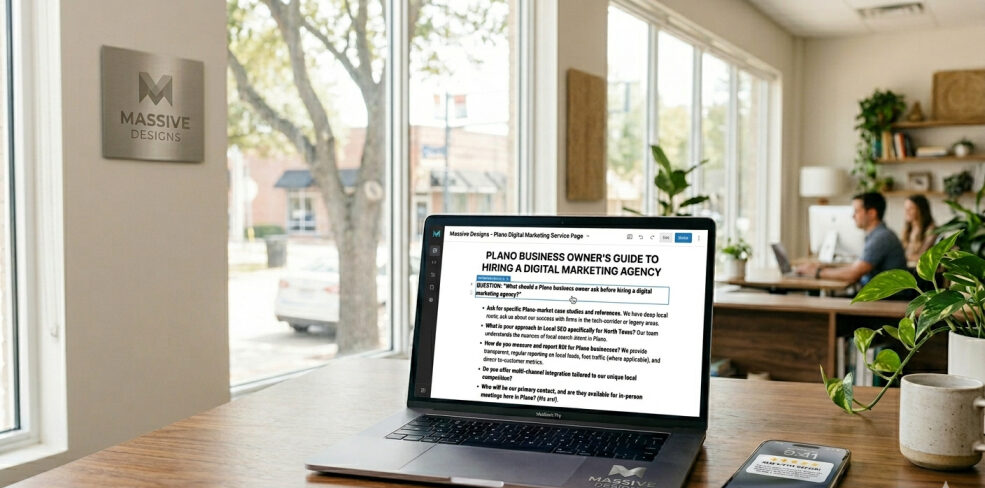
On-page optimization for local SEO in Plano goes beyond placing “Plano TX” in a title tag. It requires aligning page content with the specific questions Plano buyers actually ask before making purchase decisions — questions shaped by this market’s particular demographics and competitive dynamics, not by what buyers in Dallas or Houston search for.
What does a Plano business owner want to know before hiring a digital marketing agency? What does a Plano homeowner search for before selecting a contractor? Answering those questions with real specificity — with detail that a generic service page skips — builds trust signals at a content-depth level that influences rankings alongside traditional on-page factors. Intent alignment consistently outperforms keyword density.
☑10. Track Rankings at ZIP Code Level, Not City Level
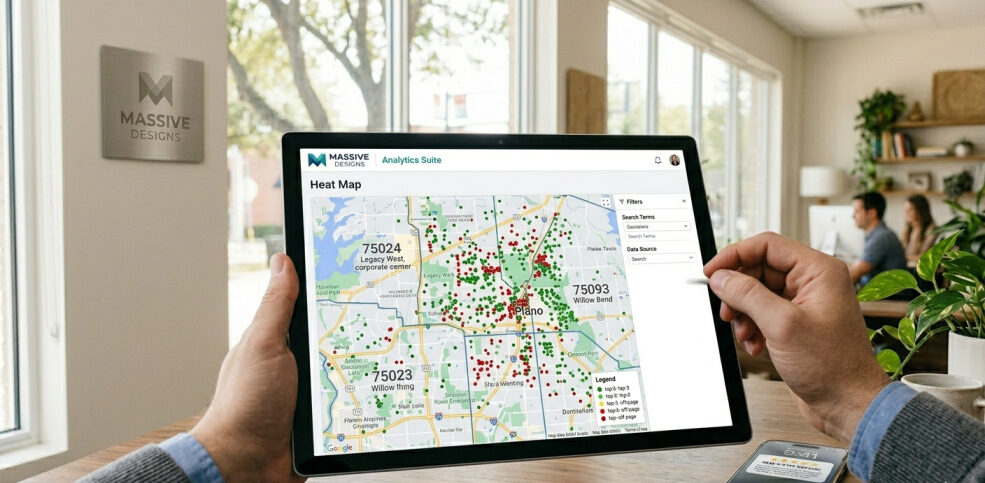
Plano spans multiple ZIP codes — 75023, 75024, 75025, 75074, 75075, and 75093 — and ranking positions shift meaningfully across them. A business appearing at position three inside 75024 may not appear in the top ten within 75075, despite operating inside the same city boundary.
Tracking at the city level produces misleadingly averaged data that hides exactly where local SEO needs work. Tools like Local Falcon and BrightLocal’s grid tracking feature map actual performance across specific geographic coordinates, turning a vague sense that “SEO is working” into a clear picture of which Plano ZIP codes still need reinforcement.